Why would a neighborhood's median home price drop while the same homes started selling in half the time, in triple the volume, at a higher price per square foot? That is the actual math in Victoria Park over the twelve months ending in April 2026, and if you are comparing Fort Lauderdale neighborhoods right now, it is worth sitting with before you let a single headline figure talk you out of a good decision.
Here is the number most people will see first: the median sale price in Victoria Park for the three months ending April 2026 was $970,000, down 5.9 percent from the same period a year earlier. Read on its own, that looks like a market losing steam. It is the number a buyer might quote to justify a lowball offer, or the number a seller might use to talk themselves out of listing this fall. Neither read holds up once you look at what actually happened underneath it.
The Three Numbers Nobody Leads With
In that same window, homes in Victoria Park went from sitting on the market an average of 145 days to selling in just 86. Sales volume nearly tripled, from 18 homes closed in April 2025 to 58 in April 2026. And the median price per square foot, the number that actually normalizes for what got sold, rose 3.2 percent year over year.
A market that is genuinely cooling does not usually produce faster sales, more of them, and rising per-square-foot value at the same time. What produces that combination is a shift in what sold. When a wider mix of product moves through a market at once, condos and townhomes alongside multimillion-dollar estates, the median can swing hard in either direction without telling you much about whether any individual home gained or lost value. Victoria Park's median fell because more attainable inventory changed hands. It did not fall because the neighborhood got cheaper to live in.
A Neighborhood Built to Confuse a Median
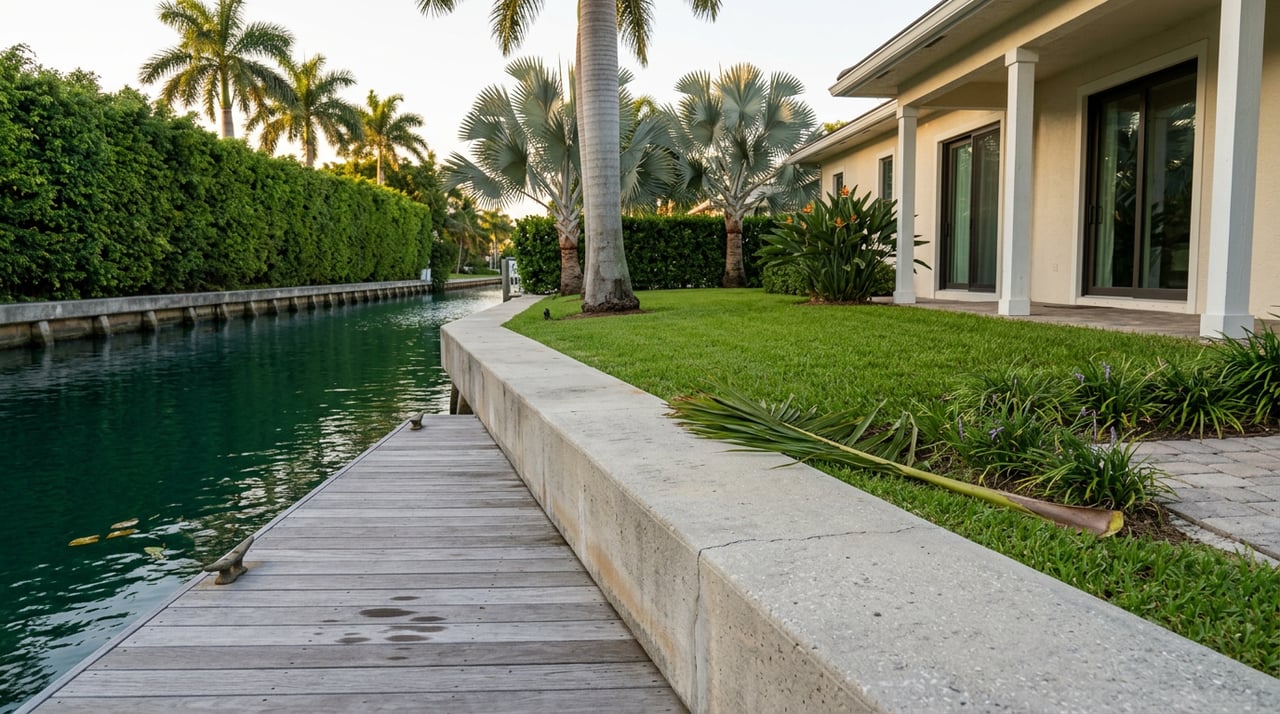
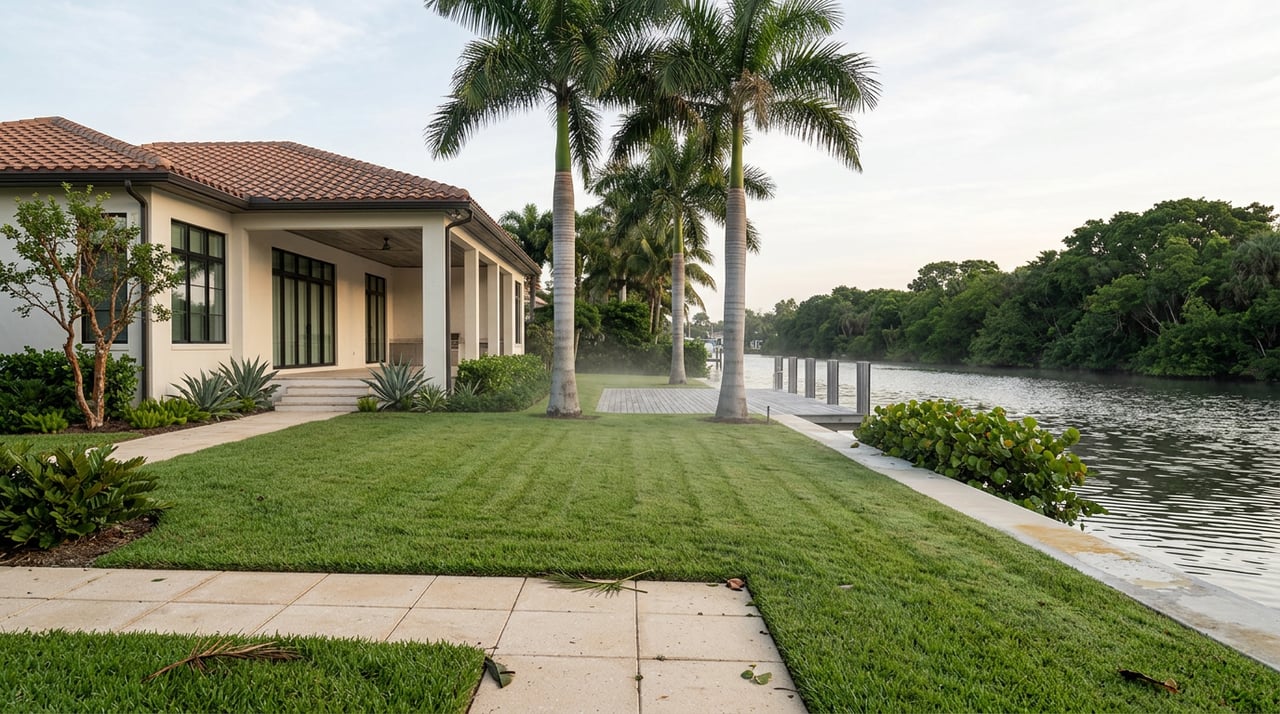
Part of why this happens here more than in a typical suburb comes down to how Victoria Park is actually built. Roughly 90 percent of the neighborhood sits on dry lots, streets of oak-shaded 1920s and 1930s cottages with no direct water access. The remaining edge touches deep-water canals near Victoria Isles, Sunrise Key, and the Las Olas Isles corridor, and that narrow waterfront slice pulls hard on the top of the range.
Layer onto that a neighborhood that is essentially built out. Genuine infill lots are rare, so when an older home does come up for a teardown, buyers and developers pay a real premium for the dirt underneath it, and the new construction that replaces it tends to push toward the top of the market. Several 2024 to 2026 builds have priced past $3.5 million. That single-family range now runs from roughly $900,000 for an unrenovated resale up past $4 million for new construction, while condos still trade between $500,000 and $1.2 million and townhomes land somewhere in between.
Put a $550,000 condo sale and a $3.8 million new-construction closing in the same monthly dataset and the median will jump around based on which one happened to close, not on whether the neighborhood's actual value is rising or falling. That is the mechanism behind the number. It is not that Victoria Park cooled. It is that a wide-spread, largely built-out inventory produces a median that moves for reasons that have nothing to do with underlying value.
What the Per-Square-Foot Numbers Actually Reveal
If the median is the noisy number, price per square foot is the one that tells you something real, and it points somewhere specific for anyone deciding between neighborhoods.
| Neighborhood | Approx. price per sq ft (early-to-mid 2026) |
|---|---|
| Victoria Park | $496 to $527 |
| Rio Vista | around $790 |
| Coral Ridge | $670 to $824 |
Victoria Park runs well below the waterfront enclaves on a per-foot basis, which is the trade you would expect for a dry-lot neighborhood. But that gap is exactly where the neighborhood's other defining feature starts to matter: there is no mandatory homeowners association covering the vast majority of Victoria Park properties. That cuts monthly carrying costs and gives owners real latitude over what they build or renovate, without a board approval process standing between a design plan and a permit.
The tradeoff shows up at inspection. A meaningful share of Victoria Park's housing stock dates to the 1920s through the 1950s, and homes from that era can still carry original galvanized plumbing, knob-and-tube or aluminum wiring, and HVAC systems well past their intended life. A thorough inspection here is not optional, and a renovation budget needs to account for infrastructure work most buyers in newer neighborhoods never think about. Quality renovation in South Florida is running $150 to $300 or more per square foot in 2026, depending on scope and finish level.
That is not a reason to avoid the neighborhood. It is the reason the smartest plays here are design-led rather than purely transactional. A Mediterranean Revival cottage with original bones, updated systems, and a finish level that matches what buyers expect at $700-plus per foot in Coral Ridge can compete directly with waterfront product on character alone, even without a dock in the backyard. That is where the design and construction side of this business actually earns its keep: knowing which original details are worth preserving, which systems need to come out entirely, and how to sequence a renovation so the finished product reads as intentional rather than patched together.
The Friction That Won't Show Up in a Listing Photo
There is one more piece of transaction-relevant timing worth knowing if you are looking at a specific block. The City of Fort Lauderdale's Victoria Park Watermain Project is replacing roughly 60,000 feet of aging two-inch water main across the neighborhood with new six- and eight-inch lines, along with new fire hydrants and individual service connections to each home. According to the Victoria Park Civic Association, construction began February 2, 2026 and is running 18 to 24 months, on pace to wrap in early 2028.
That means the project is roughly seven months in as of this writing, with a year or more still ahead, and it will touch driveways and swales block by block as crews work through the project area. The city has committed to restoring driveway aprons and swales in-kind after construction, but if you are planning exterior renovation work, new hardscaping, or a pre-listing landscape refresh on a specific street, it is worth checking where that street sits in the project sequence before committing to a timeline. A newly poured driveway apron ahead of a water main crew coming through six months later is money spent twice.
A Few Questions Worth Asking Before You Act
Does the falling median mean I should offer below asking in Victoria Park? Not automatically. The median fell because the mix of what sold shifted toward more attainable inventory, while price per square foot actually rose. A specific home's value depends on its lot, its systems, and its renovation state, not on a citywide median that moved for reasons unrelated to that property.
Is a teardown lot a smart buy here? It can be, but go in with eyes open about the premium. Because Victoria Park is largely built out, land itself is now a meaningful share of the purchase price on any teardown, and new construction is what's currently setting the neighborhood's price ceiling.
Will the watermain project affect my specific street? Possibly. The project started in February 2026 and isn't expected to finish until early 2028, so depending on where your block falls in the sequence, you could see driveway or swale disruption for another year or more. If you are timing exterior work, a renovation, or a listing around curb appeal, it is worth confirming your block's place in the schedule before you finalize a project timeline.
Numbers like these are exactly why a single median never tells the whole story on a street-by-street market like Victoria Park. If you are trying to figure out what a specific block, lot, or renovation opportunity is actually worth this year, Laurie's Lauderdale Group can walk through the block-level data and the design math together. Request a Design + Market Consultation and get a read on your specific address, not just the citywide average.