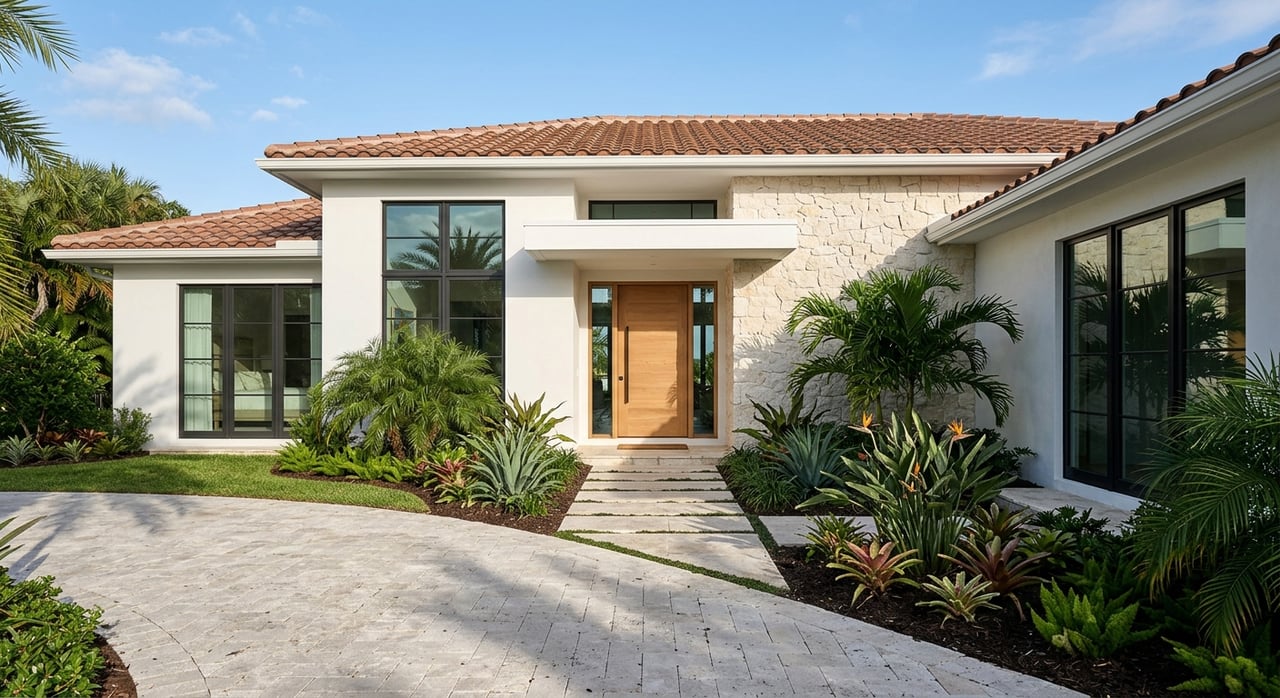
Wondering what really matters when buying in Harbor Beach? In this part of Fort Lauderdale, the right choice is about much more than square footage or a beautiful waterfront view. If you are comparing homes here, it helps to understand how lot layout, boating access, club amenities, ownership costs, and permitting can shape your day-to-day experience. Let’s dive in.
Understand Harbor Beach’s Ownership Experience
Harbor Beach is an officially recognized Fort Lauderdale neighborhood, and ownership here comes with more than a home address. The Harbor Beach Association says resident associations self-fund amenities such as security and landscaping, which means governance and dues are part of the buying decision.
The association also says Sig 9 handles gate and patrol security, with additional patrols from Fort Lauderdale Police. For you as a buyer, that makes it important to ask how a specific property fits into the neighborhood structure and what ongoing costs or services come with it.
Another major layer is the neighborhood’s club-oriented identity. Harbor Beach Surf Club says it was founded in 1942 and maintains a 300-foot private beach, a beach pavilion, and a private marina for members, while The Club at Harbor Beach advertises private beach access, tennis, water sports, spa services, a fitness center, dining, and member events.
That means Harbor Beach can feel different from other waterfront areas in Fort Lauderdale. You are not just buying a location. You may also be buying into a lifestyle shaped by private amenities, membership options, and neighborhood operations.
Compare Lots Beyond Square Footage
One of the biggest Harbor Beach buyer mistakes is focusing too much on the house and not enough on the lot. Current inventory shows a wide mix of parcel sizes and configurations, including lots around 0.32 to 0.71 acres, sites over 19,000 square feet, and point or corner lots with nearly 300 feet of water frontage.
Two homes with similar prices can offer very different value depending on width, depth, privacy, and how the home sits on the site. Listings in the area show dimensions such as 100 by 137, 110 by 205-plus, and 135 by 185, which can translate into very different outdoor use, boating setup, and future flexibility.
If you are boating-focused, usable water frontage may matter more than total land size. A lot with strong dockage, deepwater frontage, and no fixed bridges may fit your lifestyle better than a larger property with weaker marine access.
Check Boating Access Carefully
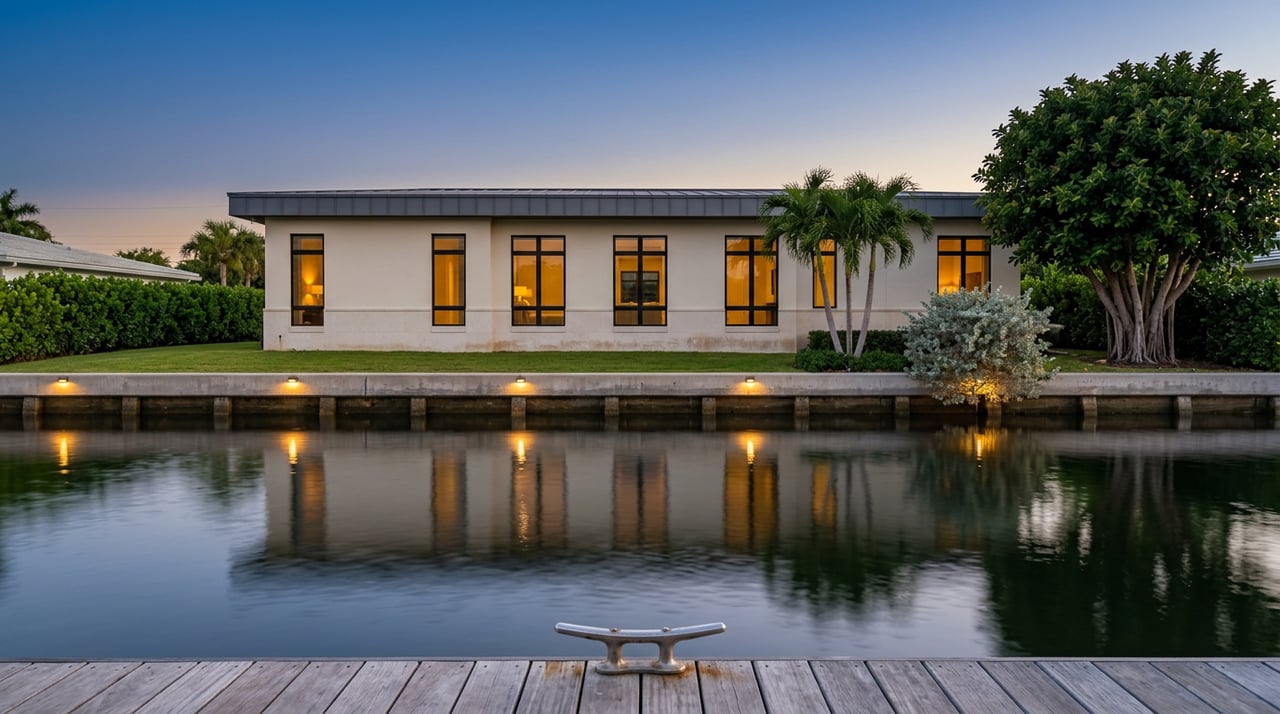
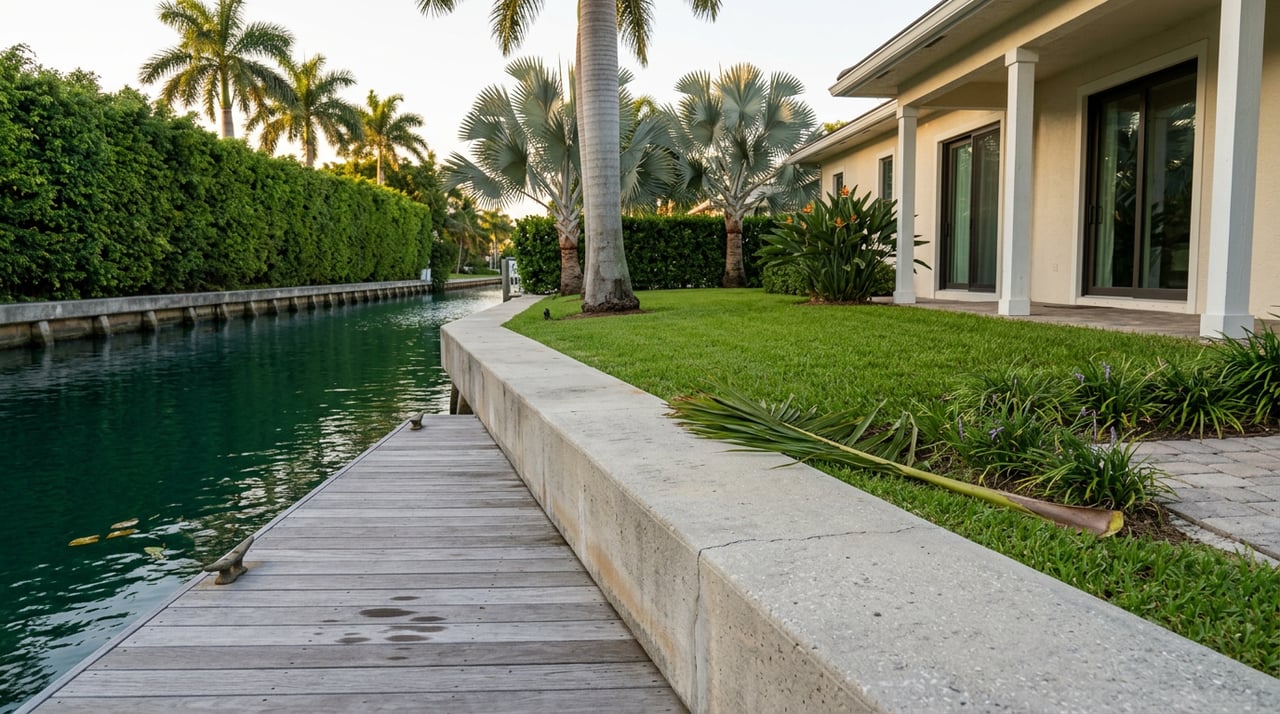
In Harbor Beach, boating details are not a minor feature. They are often central to the property’s value. Current listings regularly highlight canal widths of 81 to 120 feet, deepwater frontage, turning basins, yacht-ready dockage, and no fixed bridges.
If you plan to keep a boat, ask practical questions early. You will want to confirm canal width, depth at low tide, turning room, bridge clearance, and whether the existing dock setup fits the size and type of vessel you plan to use.
Marine improvements also come with regulation. The City of Fort Lauderdale’s general permit for private single-family docks allows up to two boat lifts under specific size and depth limits, and seawall work requires permit review, sealed plans, and possible Broward County or Florida Department of Environmental Protection dredge approvals.
That is why it helps to treat the dock and seawall as major property systems, not decorative add-ons. Their condition, permit history, and replacement timeline can affect both your cost of ownership and your long-term use of the home.
Weigh Style, Age, and Renovation Scope
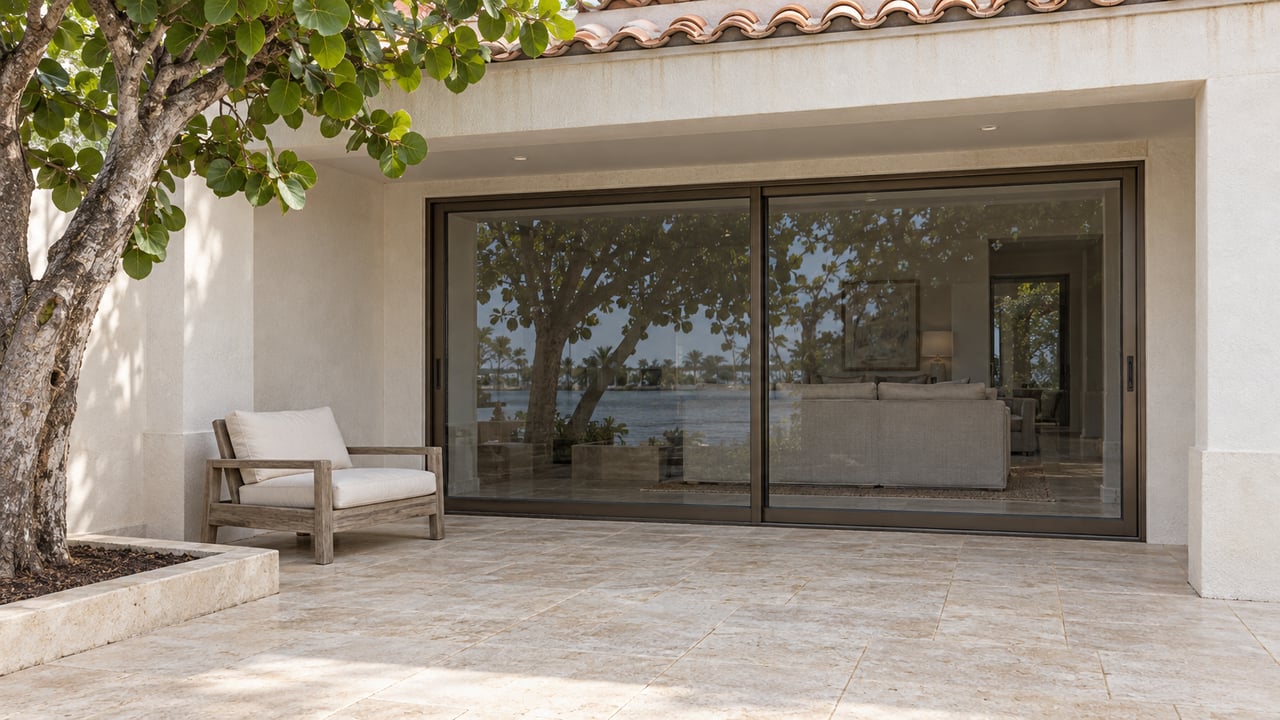
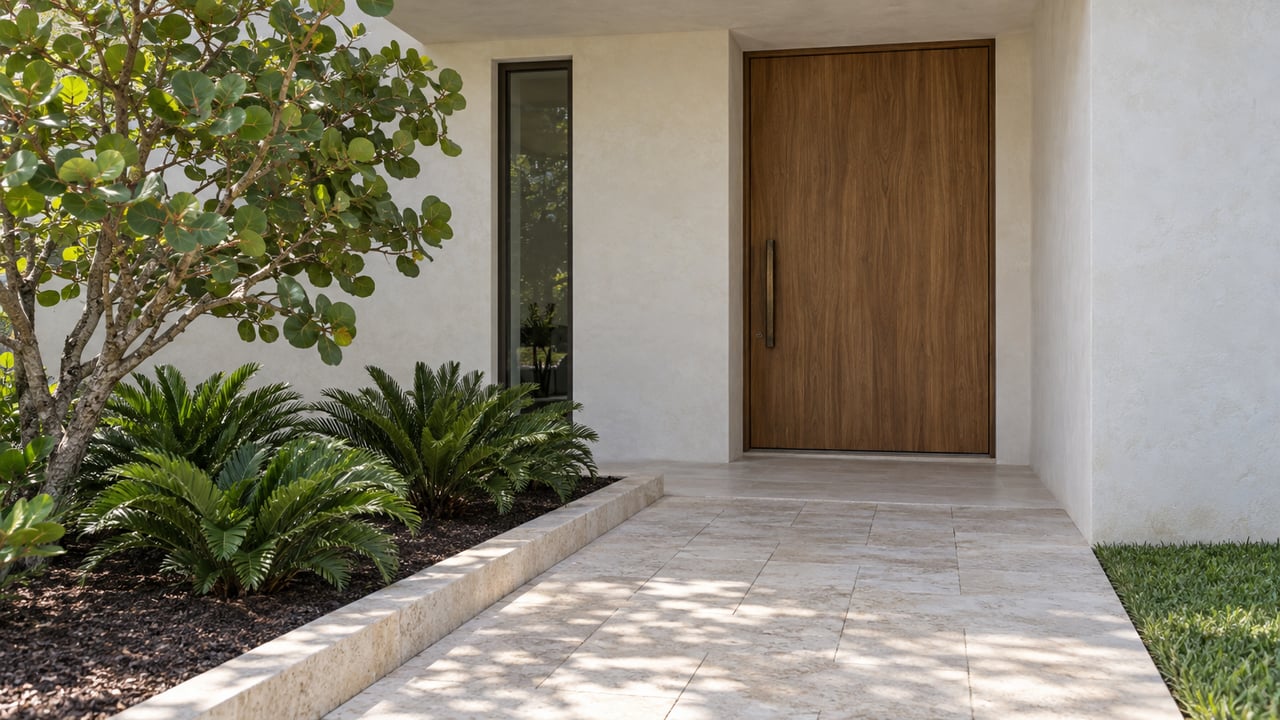
Harbor Beach does not have one single architectural look. Buyers will see a mix of mid-century homes, ranch properties, older custom residences, French Provincial estates, and newer contemporary construction with glass-heavy indoor-outdoor design.
That variety can be exciting, but it also means you need to look past aesthetics. In this neighborhood, original condition versus updated condition can change your maintenance plan, insurance profile, and renovation budget.
The broader Fort Lauderdale architectural context supports that mix. The city’s architectural resource survey identifies Mediterranean Revival, Ranch, and Mid-Century Modern as important local styles, which helps explain why Harbor Beach inventory spans multiple eras rather than one uniform design language.
When you tour homes, pay close attention to what is original and what has already been improved. Roof age, impact openings, electrical systems, pool equipment, dock systems, and any addition history can all shape your carrying costs and future project options.
Review Permits and Code History
In a coastal market like Fort Lauderdale, permit history matters. The city uses LauderBuild for digital permit processing, and permit applications submitted after December 31, 2023 are subject to the 2023 Florida Building Code.
For you, that means any future addition, exterior work, major remodel, window replacement, or marine upgrade should be viewed through a permitting and code-compliance lens. This is especially important if you are buying an older home with plans to renovate.
It is smart to review whether prior work was permitted and properly closed out. That includes roofing, windows, pools, additions, major interior reconstruction, and marine structures.
In Harbor Beach, this step is not just paperwork. It helps you understand what has been modernized, what may need attention, and how easily you can execute future improvements.
Plan for Flood Risk and Insurance
Flood planning is a normal part of ownership in coastal Fort Lauderdale. The city says many residents live in or near a Special Flood Hazard Area, homeowner insurance usually does not cover flood damage, and flood insurance is often required for federally secured financing.
The city also notes that flood insurance coverage has a 30-day waiting period. Buyers should look up the flood zone through the city’s GIS application and request elevation certificate information from the Department of Sustainable Development.
This is especially important if you are considering an older home or a property with a lower elevation profile. Flood-zone positioning can affect both your insurance costs and the scope of future work.
Fort Lauderdale also states that if reconstruction, rehabilitation, expansion, or other improvements to a flood-damaged building equal or exceed 50% of market value, the structure must meet the same construction and code requirements as a new building. That can materially change the economics of renovating a legacy waterfront home.
Clarify Dues, Fees, and Club Access
Harbor Beach ownership costs can vary more than buyers expect. Because resident associations self-fund certain neighborhood amenities, it is important to ask what dues cover and whether any transfer fees or special assessments apply.
Club access also deserves a direct conversation. Some lifestyle benefits may depend on separate membership structure rather than automatic ownership rights, so you will want to know what is included, what is optional, and what the process looks like.
This matters even more because Harbor Beach-area product types vary widely. Current public inventory includes estate homes, teardown or land opportunities, and condo or co-op residences, and monthly fees can range from modest HOA amounts to several thousand dollars depending on the property type.
Match the Property to Your Lifestyle
Harbor Beach appeals to buyers who want both waterfront living and convenient access to the broader Fort Lauderdale core. Listings often highlight proximity to Fort Lauderdale Beach, Las Olas, the airport, the seaport, marinas, highways, restaurants, and daily services.
That convenience can be a major advantage if you split time between boating, travel, dining, and entertaining. Still, not every Harbor Beach property delivers the same experience.
A point-lot estate, an older renovation candidate, and a condo near the Harbor Beach area may all serve very different goals. The best purchase is usually the one that aligns the home, the lot, the water access, and the operating costs with how you actually plan to live.
A Smart Harbor Beach Buyer Checklist
Before you make an offer, keep these key questions in mind:
- Confirm the flood zone, elevation certificate, insurance history, and any known flood-related claims or substantial damage.
- Ask whether boat access includes no fixed bridges, adequate canal width, enough depth at low tide, and turning room for your vessel.
- Verify dock, lift, and seawall permit history, especially if you may expand or replace marine features.
- Clarify what HOA or association dues cover, along with any transfer fees, special assessments, or membership-related costs.
- Compare lot geometry, water frontage, and site usability, not just list price or interior square footage.
- Determine whether the home is original, remodeled, or new construction, and how that may affect maintenance and future upgrades.
- Review permit history for additions, roofing, windows, pool work, and major interior rebuilds.
- If you are buying a condo or co-op, compare monthly dues, reserves, and building-specific rules carefully.
Harbor Beach can be an exceptional place to buy, but it rewards buyers who look beyond the surface. When you evaluate the lot, the boating setup, the ownership structure, and the long-term upkeep together, you can make a much more confident decision.
If you are considering Harbor Beach and want a design-aware, waterfront-savvy perspective on which homes truly fit your goals, connect with Laurie Ermer.