Are you looking for a Fort Lauderdale neighborhood that feels tucked away, yet puts Las Olas and downtown within easy reach? Colee Hammock stands out for exactly that reason. If you want to understand its Old Florida character, waterfront setting, and what day-to-day life may feel like here, this guide will walk you through the details. Let’s dive in.
Where Colee Hammock Sits
Colee Hammock is a centrally located Fort Lauderdale neighborhood with clearly defined edges. According to the City of Fort Lauderdale’s 2020 architectural survey, it is bounded by East Broward Boulevard, the Sospiro Canal, the New River, and Southeast 9th and 12th avenues.
That location shapes how the neighborhood lives. Rather than feeling like a separate suburban pocket, Colee Hammock is best understood as a small residential area beside some of Fort Lauderdale’s most active destinations.
Why Las Olas Matters Here
Las Olas Boulevard is described by the city as Fort Lauderdale’s main destination for fashion, dining, and entertainment. For you, that means Colee Hammock offers a residential setting near one of the city’s most recognizable lifestyle corridors.
This is a big part of the neighborhood’s appeal. You can enjoy a quieter streetscape while staying close to restaurants, shops, and the energy of central Fort Lauderdale.
Riverwalk Adds Cultural Access
Riverwalk also helps define the area’s convenience. The city calls it the cornerstone of Fort Lauderdale’s arts, science, cultural, and historic district, with destinations that include the Broward Center for the Performing Arts, the Museum of Discovery and Science, the Museum of Art, and Old Fort Lauderdale Village and Museum.
For buyers who want both charm and access, this matters. Colee Hammock gives you a chance to live near these destinations without being in the middle of the busiest commercial blocks.
The Old Florida Feel
What gives Colee Hammock its Old Florida identity? A large part of the answer is its historic fabric and smaller-scale residential character.
The city’s 2020 Colee Hammock architectural resource survey identified three potential historic districts within the neighborhood. These include the Art Moderne district, with contributing resources dating from 1928 to 1940, the Northwest district from 1924 to 1955, and the Northeast district from 1918 to 1949.
That timeline tells you something important. Colee Hammock developed over decades, which helps explain why the neighborhood does not read like a one-style, one-era subdivision.
What the Homes Look Like
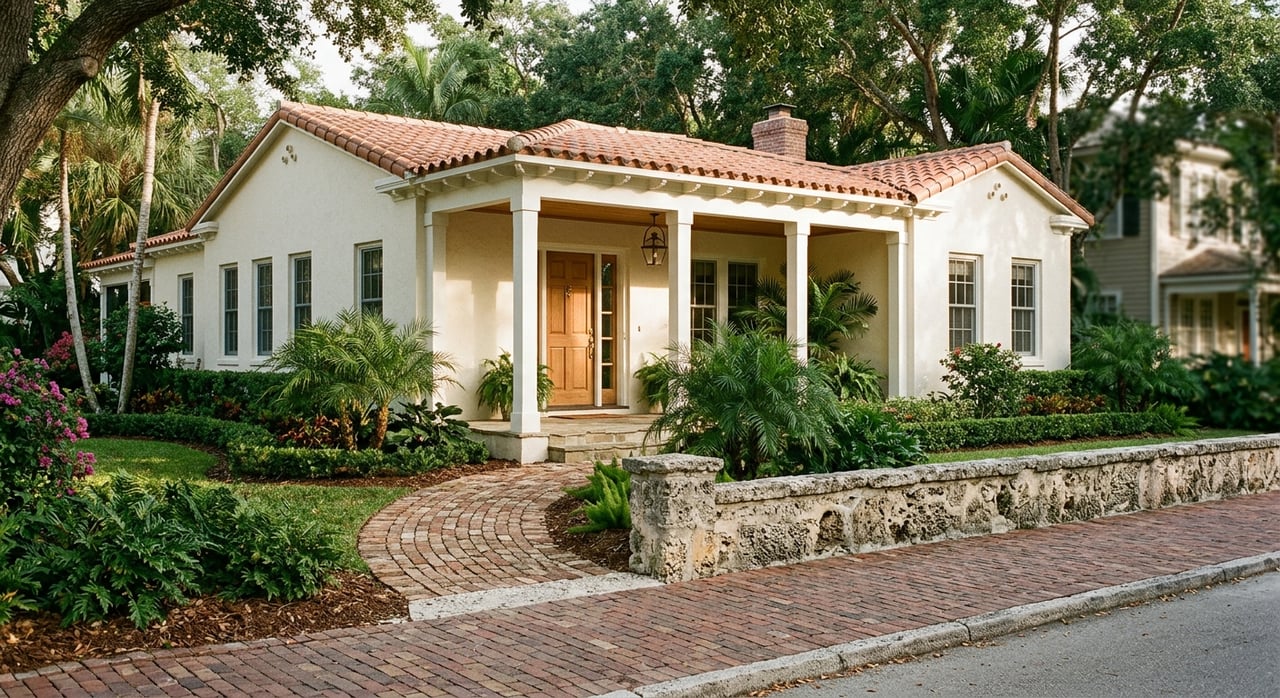
The city survey highlights a mix of architectural styles and home types. Examples include one-story Craftsman bungalows, Mission and Spanish Revival homes, a Mid-Century Spanish Styled Ranch, Minimal Traditional houses, and newer low-rise Modern Mediterranean infill.
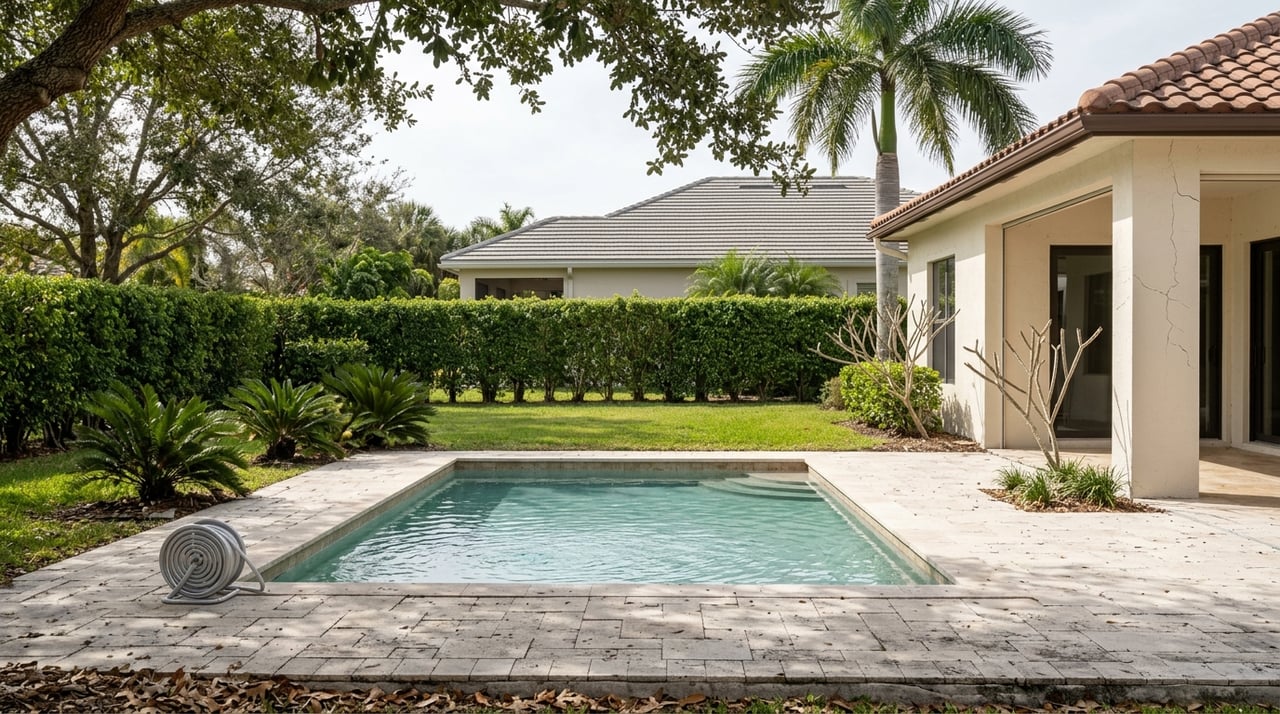
For you as a buyer or homeowner, this mix can make the neighborhood feel layered and visually interesting. It also means streets may include older homes alongside later additions, giving Colee Hammock a more organic look than many planned neighborhoods.
Historic Character, Carefully Described
It is important to describe Colee Hammock accurately. The city notes that architectural resource surveys are planning tools, and they do not by themselves create a local landmark or historic district designation.
In other words, Colee Hammock has surveyed historic character and potential historic districts, but it should not be described as a currently designated local historic district based on the materials provided. That distinction matters if you are comparing neighborhood identity, planning context, and future expectations.
A Walk Through the Neighborhood
Strolling Colee Hammock is less about checking off major attractions and more about noticing the atmosphere. The experience comes from mature residential streets, varied architectural details, and the sense that the neighborhood has evolved over time rather than appearing all at once.
Because it sits so close to Las Olas and downtown, the walk also carries a contrast that many people enjoy. One moment feels quiet and residential, and the next puts you near dining, culture, and waterfront activity.
Colee Hammock Park as a Pause Point
One of the simplest ways to experience the neighborhood’s waterfront side is Colee Hammock Park. The city lists this as a 1.13-acre park at 1500 Brickell Drive, with fishing, picnic tables, and waterfront access.
The park is open from 6 AM to 9 PM according to the city. If you are exploring the neighborhood on foot, it offers an easy stop to slow down and take in the water.
Waterfront Access in Daily Life
Colee Hammock Park is also a practical example of how the neighborhood’s setting connects to public space. The city’s accessibility information notes that the park includes an accessible walkway to the water and parking.
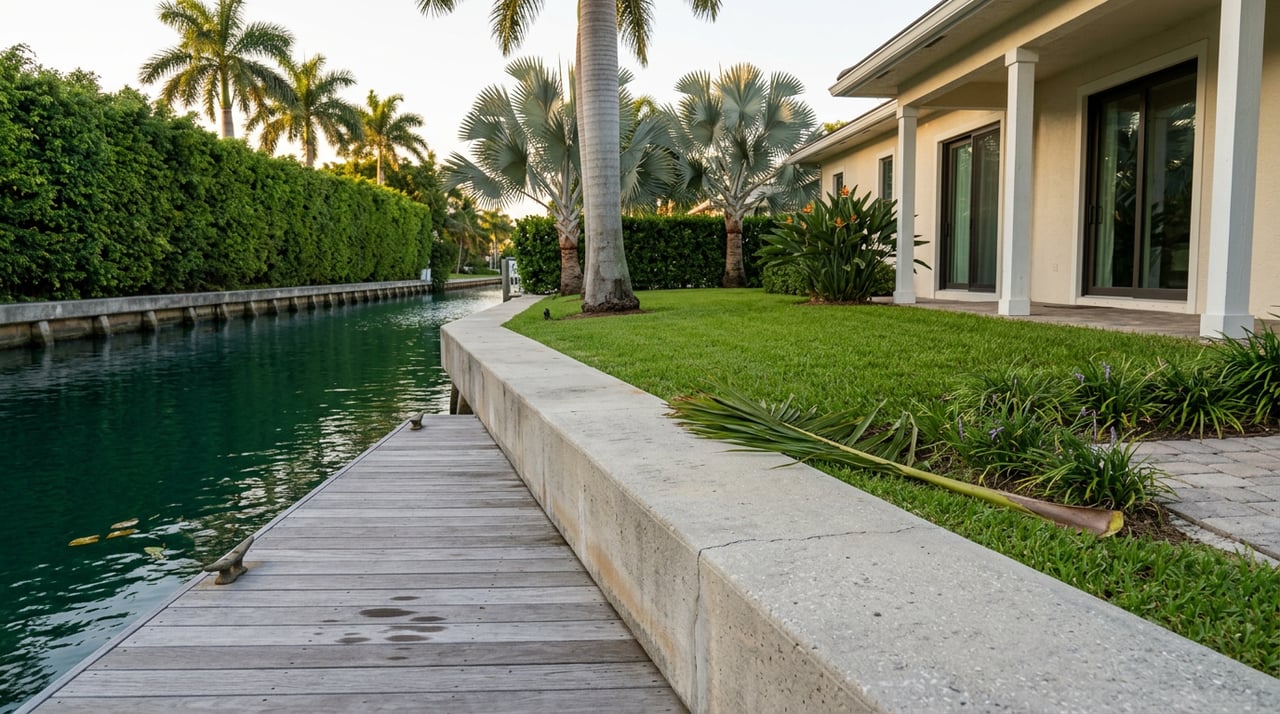
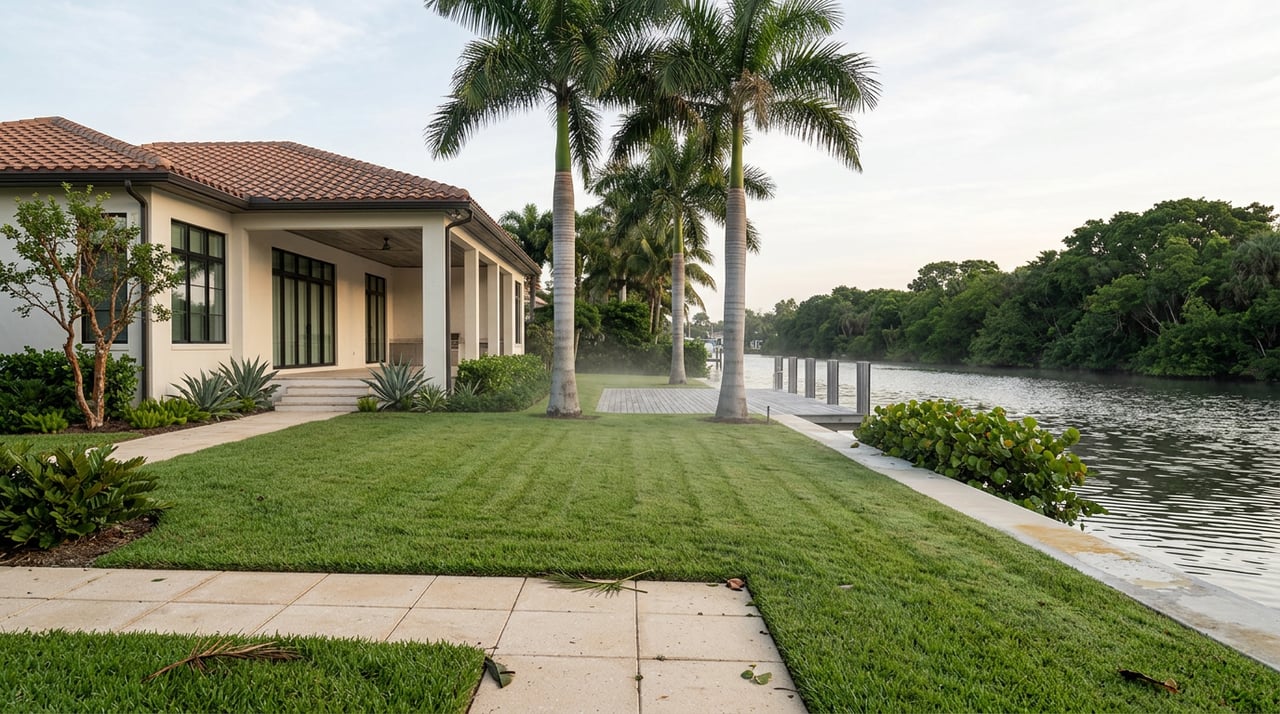
That may sound like a small detail, but it helps illustrate how the waterfront is part of everyday use here. In a neighborhood near the New River and canals, public access points can shape how connected a place feels.
Why Buyers Notice Colee Hammock
For many buyers, Colee Hammock offers a balance that can be hard to find. You get an established residential setting with older homes, low-rise infill, and visible architectural variety, while remaining close to Las Olas, Riverwalk, and downtown Fort Lauderdale amenities.
That combination appeals to people who value both character and convenience. It can be especially compelling if you want a location that feels more personal and tucked in, but not isolated.
What Sellers Should Know
If you own a home in Colee Hammock, the neighborhood’s identity may already be one of your strongest selling points. Buyers are often drawn to places that offer a recognizable sense of setting, and here that includes historic fabric, walkable access to city destinations, and a waterfront-adjacent feel.
Presentation matters in a neighborhood like this. When homes sit within an architecturally mixed environment, thoughtful design, clean visual storytelling, and a clear understanding of what makes the property fit the neighborhood can make a real difference.
City Projects and Planning Context
Colee Hammock is not frozen in time. The City of Fort Lauderdale posted stormwater improvements for Brickell Drive in Colee Hammock and an asphalt improvement project for streets south of East Las Olas Boulevard in the neighborhood in April 2026.
For you, that is a reminder that even areas with historic character are still part of an active city planning and maintenance cycle. Infrastructure work can affect daily life, but it also shows continued municipal attention to the area.
Flooding and Seawall Planning
The city’s proposed FY 2027 to 2031 capital plan also includes a Colee Hammock Park seawall replacement project covering about 165 linear feet. The stated goal is to bring the seawall up to city standard and add stormwater infrastructure to help alleviate flooding.
Because this appears in a proposed capital plan, it should be viewed as planning rather than completed work. Still, it gives you useful context if you are thinking about the neighborhood’s waterfront setting and how the city is planning for long-term maintenance.
The Lifestyle Tradeoff That Defines Colee Hammock
The clearest way to understand Colee Hammock is through its contrast. On one side, you have older, smaller-scale homes, a layered architectural story, and a residential setting with an Old Florida feel.
On the other, you have immediate access to Las Olas Boulevard, Riverwalk, downtown dining, and public waterfront space. For many buyers and sellers, that tension between history and convenience is exactly what makes the neighborhood memorable.
Is Colee Hammock Right for You?
If you are drawn to neighborhoods with visual character, central location, and a stronger sense of place, Colee Hammock deserves a closer look. It may be especially appealing if you want to be near the energy of Fort Lauderdale without giving up a more intimate residential setting.
And if you are selling, this is a neighborhood where details matter. Understanding how to position a home within Colee Hammock’s distinct architectural and lifestyle context can help shape how buyers see its value.
If you are thinking about buying or selling in Colee Hammock, Laurie Ermer can help you evaluate the neighborhood through a design-forward, local lens.
FAQs
Where is Colee Hammock in Fort Lauderdale?
- Colee Hammock is bounded by East Broward Boulevard, the Sospiro Canal, the New River, and Southeast 9th and 12th avenues, according to the City of Fort Lauderdale’s 2020 architectural survey.
What gives Colee Hammock its Old Florida character?
- Colee Hammock’s Old Florida feel comes from its older residential fabric, smaller-scale homes, and mix of styles documented by the city, including Craftsman, Mission, Spanish Revival, Minimal Traditional, and later low-rise infill.
Is Colee Hammock a historic district in Fort Lauderdale?
- The city’s survey identified potential historic districts in Colee Hammock, but the survey itself does not create a historic designation, so it should be described as having surveyed historic character rather than as a currently designated local historic district.
What is near Colee Hammock in Fort Lauderdale?
- Colee Hammock sits near Las Olas Boulevard and Riverwalk, which place dining, shopping, arts, science, and cultural destinations close to the neighborhood.
What can you do at Colee Hammock Park?
- Colee Hammock Park offers fishing, picnic tables, waterfront access, an accessible walkway to the water, and parking, according to the city.
Are there city improvement projects in Colee Hammock?
- Yes. The city posted stormwater improvements for Brickell Drive and asphalt improvements for streets south of East Las Olas Boulevard in 2026, and the proposed FY 2027 to 2031 capital plan includes a seawall replacement project at Colee Hammock Park.