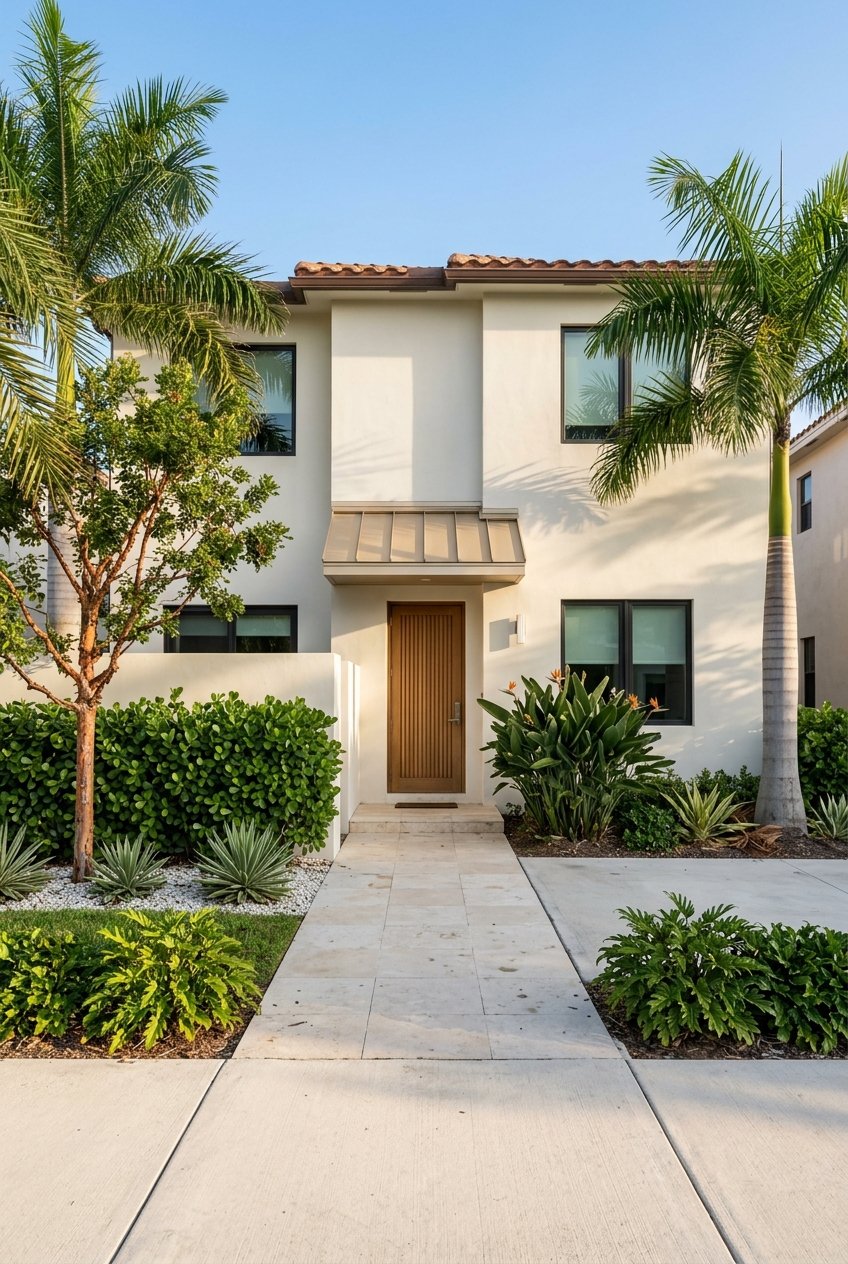
If you want a Fort Lauderdale neighborhood that feels tucked away but still puts dining, culture, parks, and downtown energy within easy reach, Victoria Park deserves a closer look. For many buyers, the appeal is simple: you can enjoy a more residential setting without feeling disconnected from Las Olas, waterfront attractions, and everyday local favorites. This guide will help you understand what living in Victoria Park is really like, from walkability and housing mix to the lifestyle that makes this area stand out. Let’s dive in.
Why Victoria Park Stands Out
Victoria Park is one of Fort Lauderdale’s older east-side neighborhoods, with roots that date back to 1925 according to the local civic association. Over time, it has grown from its cottage-era beginnings into a mature, tree-lined community known for its close connection to downtown, Las Olas, beaches, shopping, and the arts.
That combination is a big part of its draw. You get the feeling of a residential neighborhood, but you are still near many of the places that shape day-to-day life in east Fort Lauderdale. For buyers who value convenience, character, and a strong sense of place, that balance can be hard to find.
Where Victoria Park Begins and Ends
One important thing to know is that Victoria Park does not have one universally agreed-upon boundary. Local sources describe the neighborhood a little differently, so it is best to think of it as having a core area and a broader area that many residents also associate with the neighborhood.
The City of Fort Lauderdale describes the core neighborhood as bounded by NE 10th Street, the Karen Canal, East Broward Boulevard, and North Federal Highway. The civic association uses a broader footprint that stretches north to Sunrise Boulevard and west to US1. If you are home shopping, this matters because one listing may be described as Victoria Park by one source while another may place it just outside the core.
Walkability Near Las Olas
Walkability is one of the biggest reasons people look at Victoria Park. The neighborhood sits close to Las Olas Boulevard, which is one of Fort Lauderdale’s best-known corridors for dining, shopping, and local activity.
The city is also actively improving Las Olas through a mobility project focused on wider sidewalks, raised intersections, mid-block crossings, traffic calming, and pedestrian-scale lighting between Andrews Avenue and A1A. In practical terms, that supports a more comfortable experience on foot and reinforces the area’s appeal for people who want to weave walking into everyday life.
If you like the idea of stepping out for coffee, meeting friends for dinner, or spending an evening browsing shops and galleries without a long drive, Victoria Park offers strong access to that rhythm. It feels connected to the city without feeling like you are living right in the middle of the busiest commercial blocks.
Parks and Outdoor Access
Green space adds another layer to the neighborhood lifestyle. The City of Fort Lauderdale lists Victoria Park itself as a 1.19-acre park with a gazebo, open areas, and waterfront access, giving the neighborhood a small but meaningful outdoor anchor.
Nearby Holiday Park adds a larger recreation option, with a walking and jogging trail, dog park, tennis, and other facilities. Colee Hammock Park is also close by and offers fishing, picnic tables, and waterfront space. Together, these nearby parks support a lifestyle that feels active, outdoorsy, and tied to the water.
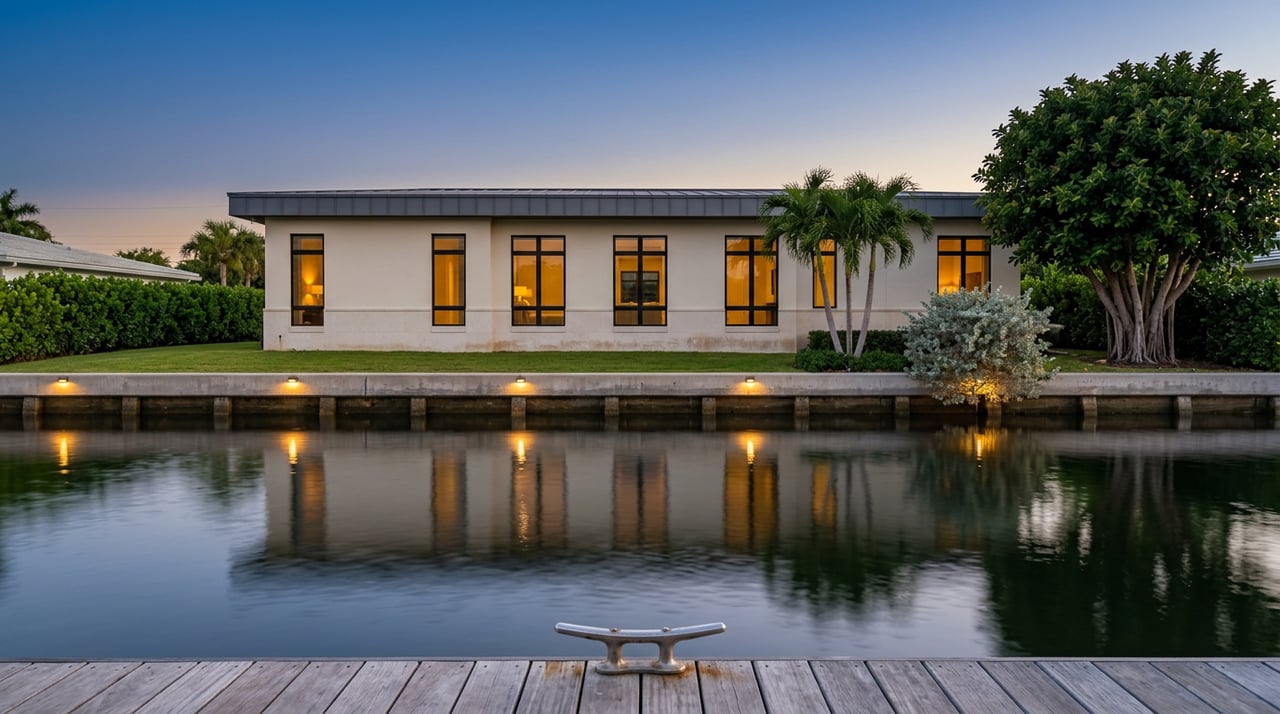
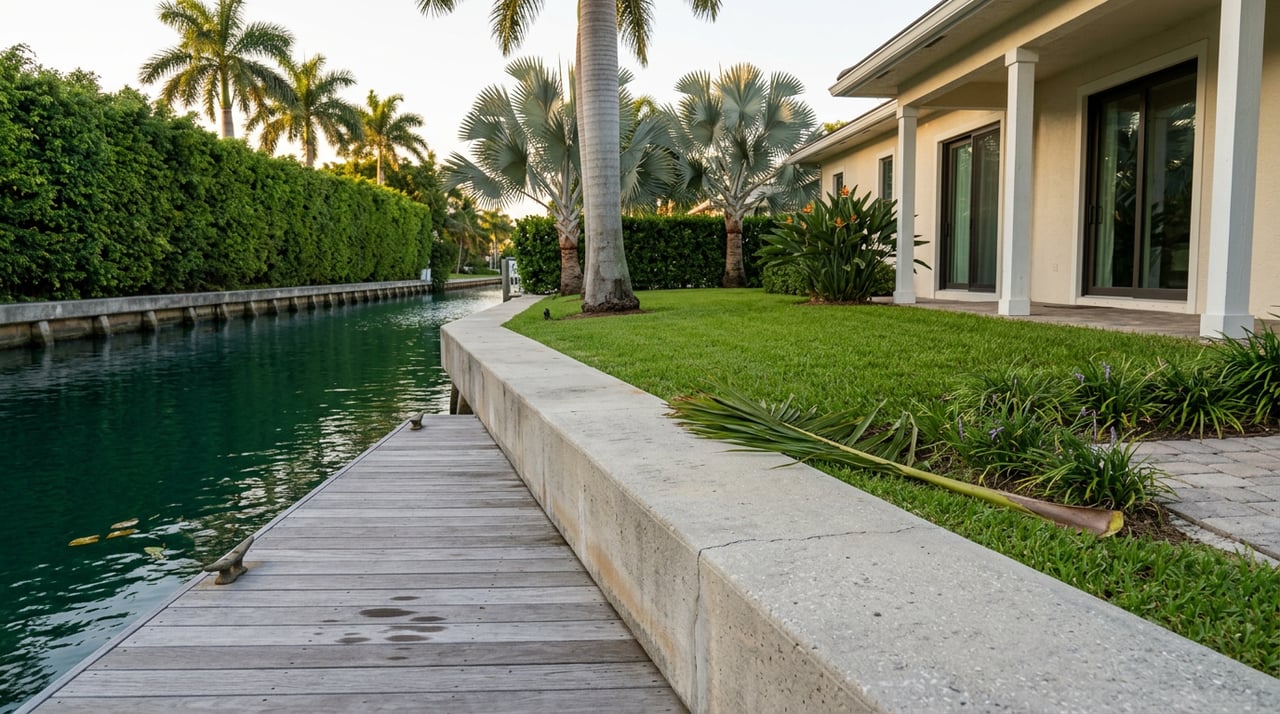
That water-oriented identity is part of the larger Fort Lauderdale story too. The city highlights canals, Water Taxi access, gondola rides, and the broader waterfront character that shapes life across east Fort Lauderdale. Even though Victoria Park is not a beachfront neighborhood, it still benefits from being part of that setting.
Las Olas Dining and Culture
For many people, Las Olas Boulevard is the neighborhood’s headline amenity. The Las Olas Association describes it as the heart and soul of Fort Lauderdale, with dining, retail shopping, boutiques, museums, and art galleries all in the mix.
That means your weekend can stay close to home without feeling repetitive. You might start with coffee at a neighborhood spot like Sip Java Co., head to Las Olas for lunch or dinner, then spend the evening near Riverwalk or downtown cultural venues.
The broader arts scene is another advantage. Nearby attractions in the east-downtown area include the Stranahan House, Riverwalk, the NSU Art Museum, the Broward Center for the Performing Arts, and the Riverwalk Arts and Entertainment District. If you enjoy a neighborhood that gives you access to both quiet streets and city culture, Victoria Park checks a lot of boxes.
What Homes in Victoria Park Look Like
Victoria Park’s housing mix is one of the reasons it appeals to a wide range of buyers. The city describes the neighborhood as primarily residential, with commercial buildings along the edges, and notes that development began in the 1920s and continued through the 1950s.
Today, the housing stock is best described as mixed and evolving. You will find older homes, newer single-family houses, and some multi-family buildings. The city also notes that many original structures have been replaced by larger single-family homes, which helps explain why the neighborhood can feel layered in both style and scale.
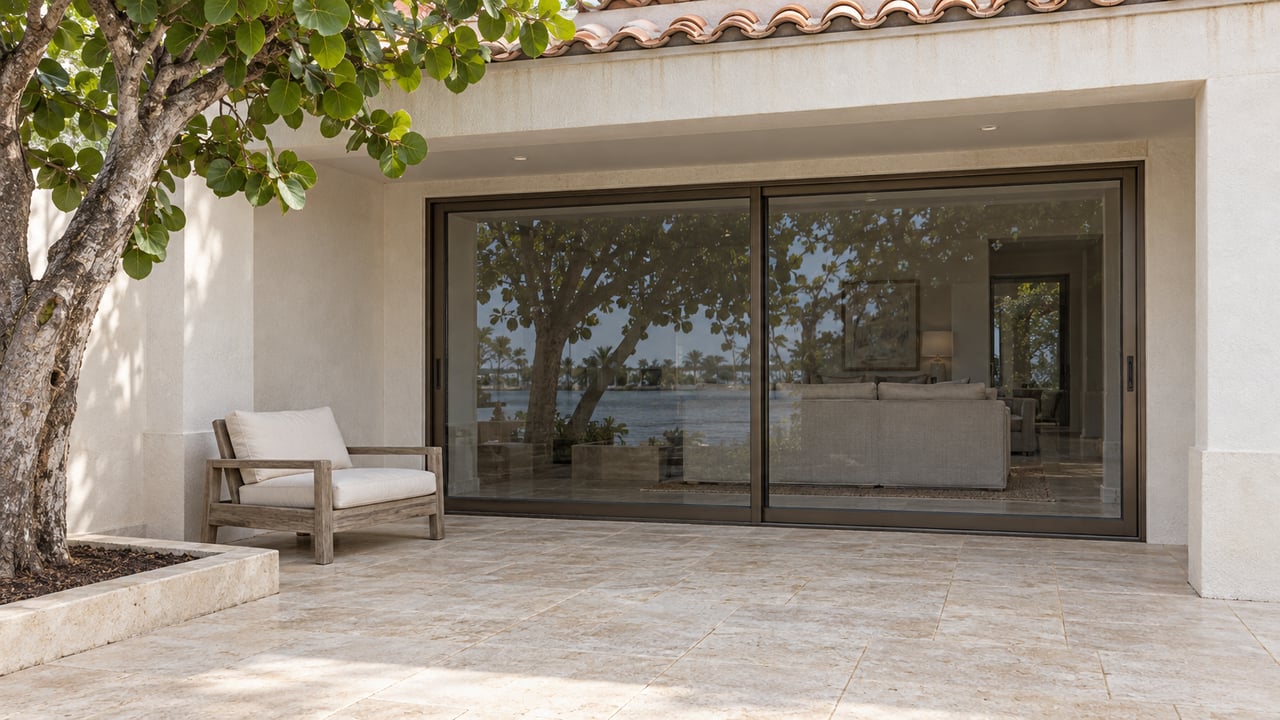
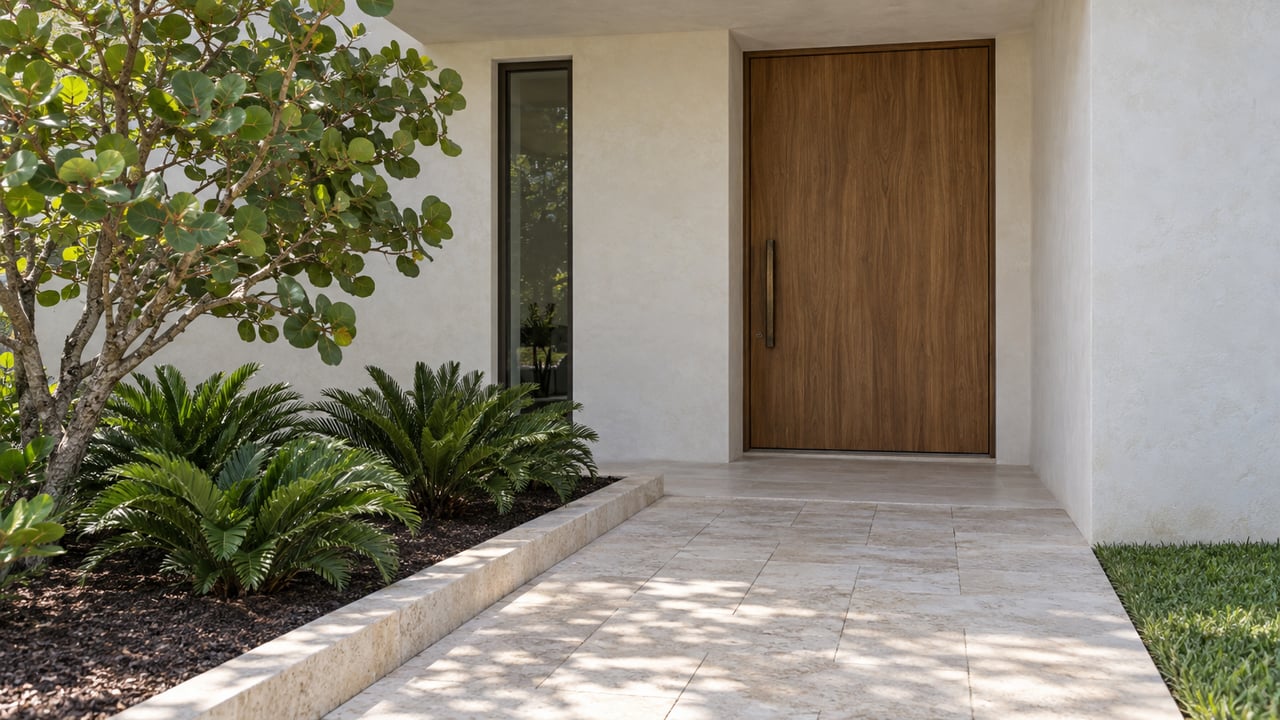
That mix can be especially appealing if you care about design and character. Some buyers are drawn to older homes with charm and mature surroundings, while others prefer newer construction or larger updated residences. In Victoria Park, that variety is part of the neighborhood identity.
Who Victoria Park Appeals To
Based on its location, housing mix, and lifestyle amenities, Victoria Park tends to resonate with buyers who want more than just a home. It appeals to people who value atmosphere, convenience, and close access to the best parts of east Fort Lauderdale.
That can include professionals who want to stay close to downtown, downsizers looking for a more connected lifestyle, relocators who want to be near parks and dining, and design-conscious buyers who appreciate a neighborhood with visual character. The common thread is usually the same: you want a residential setting, but you do not want to feel isolated.
What Daily Life Feels Like
Daily life in Victoria Park tends to feel easy and flexible. You can enjoy quiet residential streets, but still stay close to the energy of Las Olas and the broader downtown area. That mix gives the neighborhood a liveable, all-week appeal, not just a weekend one.
It also supports a lifestyle with small routines that add up over time. A morning walk, a nearby coffee stop, time in the park, dinner on Las Olas, or an outing near Riverwalk can all fit naturally into your day. For many buyers, that is what makes Victoria Park more than a good location. It makes it a place that feels usable and enjoyable in real life.
What Buyers Should Keep in Mind
If you are considering Victoria Park, it helps to look closely at both the specific property and its location within the neighborhood. Because the area has a mix of older and newer homes, block-by-block differences can shape your experience in terms of style, setting, and proximity to nearby amenities.
It is also smart to pay attention to how a home is positioned relative to Las Olas, parks, and major roads. Since neighborhood boundaries can vary by source, local knowledge matters when you are comparing listings or trying to understand how one part of Victoria Park may feel different from another.
For design-minded buyers and sellers, this is also a neighborhood where presentation and property story can matter. A home’s architecture, condition, and updates may all influence how it fits into the surrounding streetscape and how it is perceived in the market.
Why Local Guidance Matters Here
Victoria Park is not a one-note neighborhood. Its long history, evolving housing stock, and slightly flexible boundaries mean that two homes with the same zip code can offer very different experiences.
That is why local insight can be especially valuable here. Understanding the character of different pockets, the appeal of specific home styles, and the role of walkability and nearby amenities can help you make a more confident decision whether you are buying or preparing to sell.
If you are thinking about buying or selling in Victoria Park, working with an advisor who understands design, presentation, and Fort Lauderdale neighborhood nuance can make the process far more strategic. When you are ready to talk through your next move, connect with Laurie Ermer for a personalized conversation.
FAQs
What is Victoria Park in Fort Lauderdale known for?
- Victoria Park is known for its tree-lined residential feel, close access to Las Olas Boulevard, nearby parks, and a location that connects you to downtown Fort Lauderdale’s dining, arts, and waterfront lifestyle.
Where are the boundaries of Victoria Park in Fort Lauderdale?
- Local sources vary. The city describes a core area bounded by NE 10th Street, the Karen Canal, East Broward Boulevard, and North Federal Highway, while the civic association uses a broader area extending north to Sunrise Boulevard and west to US1.
How walkable is Victoria Park near Las Olas?
- Victoria Park benefits from close proximity to Las Olas Boulevard, and the city is actively improving that corridor with wider sidewalks, raised intersections, mid-block crossings, traffic calming, and pedestrian-scale lighting.
What types of homes are in Victoria Park?
- The neighborhood includes a mix of older homes, newer single-family houses, and some multi-family buildings, with many original structures having been replaced over time by larger homes.
What parks are near Victoria Park in Fort Lauderdale?
- Nearby outdoor options include Victoria Park with open space and waterfront access, Holiday Park with trails and recreation facilities, and Colee Hammock Park with picnic and waterfront areas.
Is Victoria Park a good fit if you want to be near Fort Lauderdale culture and dining?
- Yes. Victoria Park offers convenient access to Las Olas dining and shopping, plus nearby attractions like Riverwalk, the NSU Art Museum, the Broward Center for the Performing Arts, and other downtown cultural destinations.