By Laurie’s Lauderdale Group
If you've ever walked into a room flooded with sunlight and immediately felt at ease, you already understand the power of natural light. It changes how a space feels, how colors read on walls, and how generously a home presents itself to the people living in it. Natural light isn't just an aesthetic bonus; it's one of the most sought-after qualities in real estate, and it’s also one of the most impactful ways to elevate the livability of any home.
In Fort Lauderdale, where the sun is plentiful and the outdoor lifestyle is central to how people live, maximizing natural light inside your home becomes both a practical goal and a design philosophy. Whether you're renovating a waterfront property, updating a bungalow, or finishing out a new build, the way the light moves through your home matters enormously. Getting it right requires intentional decisions about architecture, materials, layout, and landscaping.
Key Takeaways
- The orientation of your home and the placement of windows are the two biggest factors in how much natural light you capture.
- Reflective surfaces, light paint colors, and open floor plans work together to amplify light throughout a space.
- In Fort Lauderdale's subtropical climate, maximizing natural light while managing heat gain requires thoughtful material and design choices.
- Skylights, clerestory windows, and solar tubes are effective tools for bringing light into rooms that exterior windows can't easily reach.
- Landscaping plays a bigger role in light quality than most homeowners realize.
Start With Window Placement and Orientation
No interior design trick can fully compensate for a home that was built without thoughtful attention to window placement and solar orientation. Before anything else, this is the foundation. In the Northern Hemisphere, south-facing windows receive the most consistent sunlight throughout the day, while east-facing windows capture soft morning light and west-facing windows take in the warmer, more intense afternoon sun. North-facing windows provide even, diffused light without direct sun, which works well for studios and workspaces.
In Fort Lauderdale, where the sun angle is higher year-round than in more northern climates, east and southeast-facing orientations tend to perform particularly well. You get beautiful morning light without the harsh glare of the afternoon western sun baking your interiors. If your home is oriented in a way that limits south or east exposure, enlarging existing windows or adding new ones in those directions can be transformative.
The size, height, and proportion of windows also matter. Taller windows draw light deeper into a room than short, wide ones. Windows positioned high on the wall, sometimes called clerestory windows, push daylight further into the interior and create striking architectural moments at the same time. If you're tackling a renovation, consider what changes to window height or proportion might open up a space that currently feels dim.
Window Strategies That Make the Most Difference
- Adding a large picture window or floor-to-ceiling glass on a south or east wall can dramatically shift how bright a room feels throughout the day.
- Clerestory windows installed above eye level bring in light without sacrificing wall space for furniture placement.
- Corner windows, where two walls of glass meet at a corner, eliminate dark zones and create a sense of the interior opening up to the outdoors.
- Skylights placed over interior hallways, stairwells, or bathrooms bring natural light into spaces that exterior walls can't reach.
- Minimizing the width of window frames and choosing slimmer profiles keeps the glass area maximized.
Use Reflective Surfaces and Light-Enhancing Materials
Once light enters your home, the materials inside determine how far it travels. A room furnished and finished in dark, matte surfaces absorbs light quickly. A room with reflective, lighter-toned surfaces bounces light around and makes even a modestly windowed space feel significantly brighter.
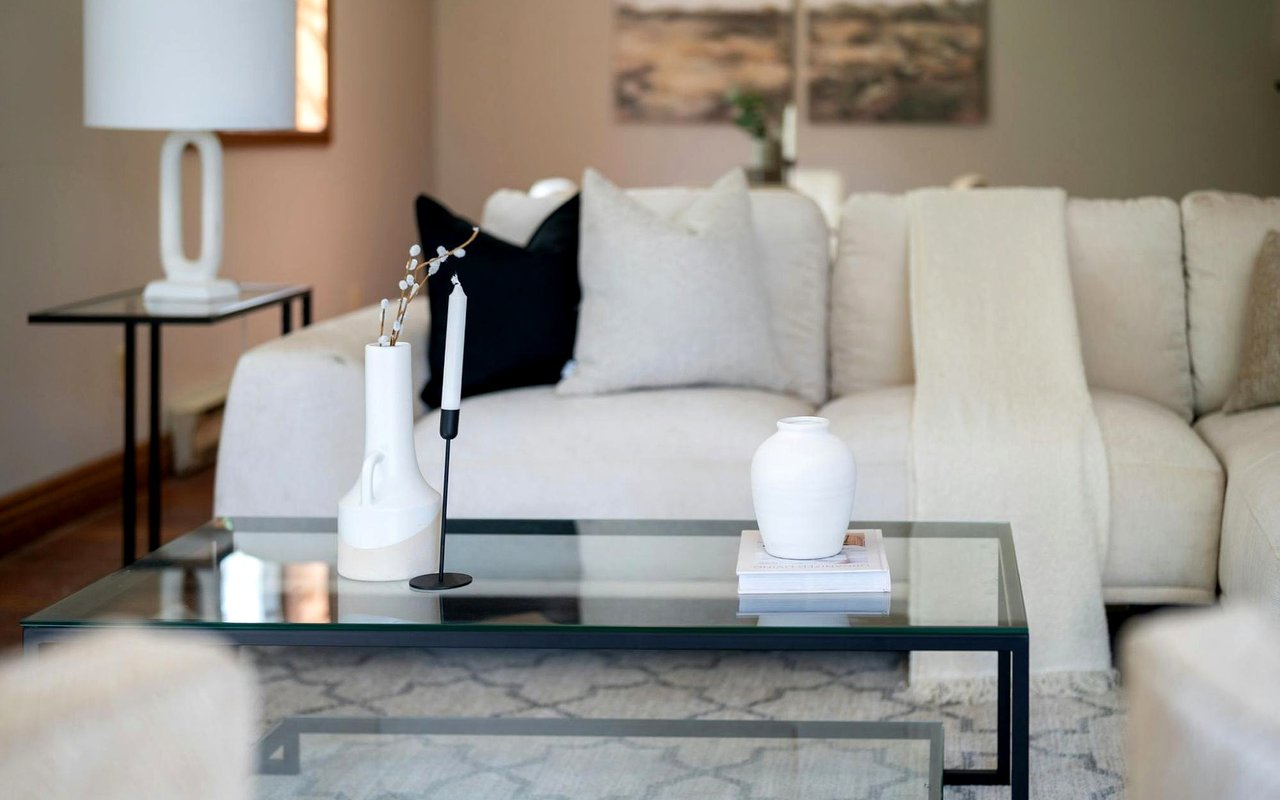
Paint is the most accessible tool here. White and off-white walls reflect far more light than you might expect, and the right undertone matters. Cool whites with blue or gray undertones tend to feel crisp and airy, while warm whites lean creamy and inviting. In Fort Lauderdale homes, where the goal is often to carry the breezy outdoor feeling inside, soft whites and pale warm neutrals tend to perform beautifully. Ceilings deserve the same attention; a bright white ceiling acts almost like a secondary light source by reflecting what comes in through windows back down into the room.
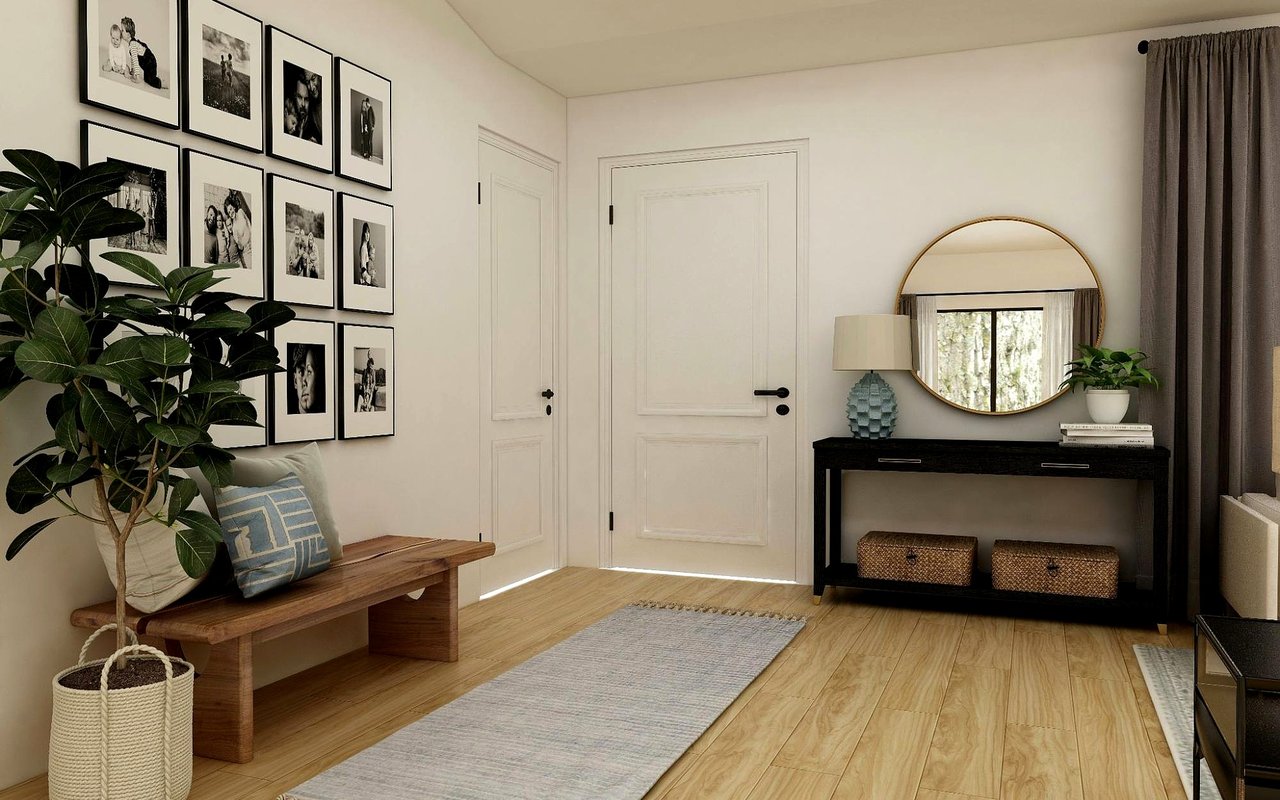
Hard surface flooring in light tones, such as pale wood, large-format porcelain tile, or polished concrete, contributes to light reflection. In many Fort Lauderdale homes, large-format tile throughout the main living areas does double duty, reflecting light while also staying cool underfoot. Mirrors are another powerful amplifier. A well-placed mirror facing a window effectively doubles the amount of daylight in a room.
Interior Finishes That Maximize Natural Light
- Pale or white-painted walls with a satin or eggshell finish reflect much more light than flat paint.
- Large-format floor tiles in light stone or neutral tones extend natural light across the floor plane.
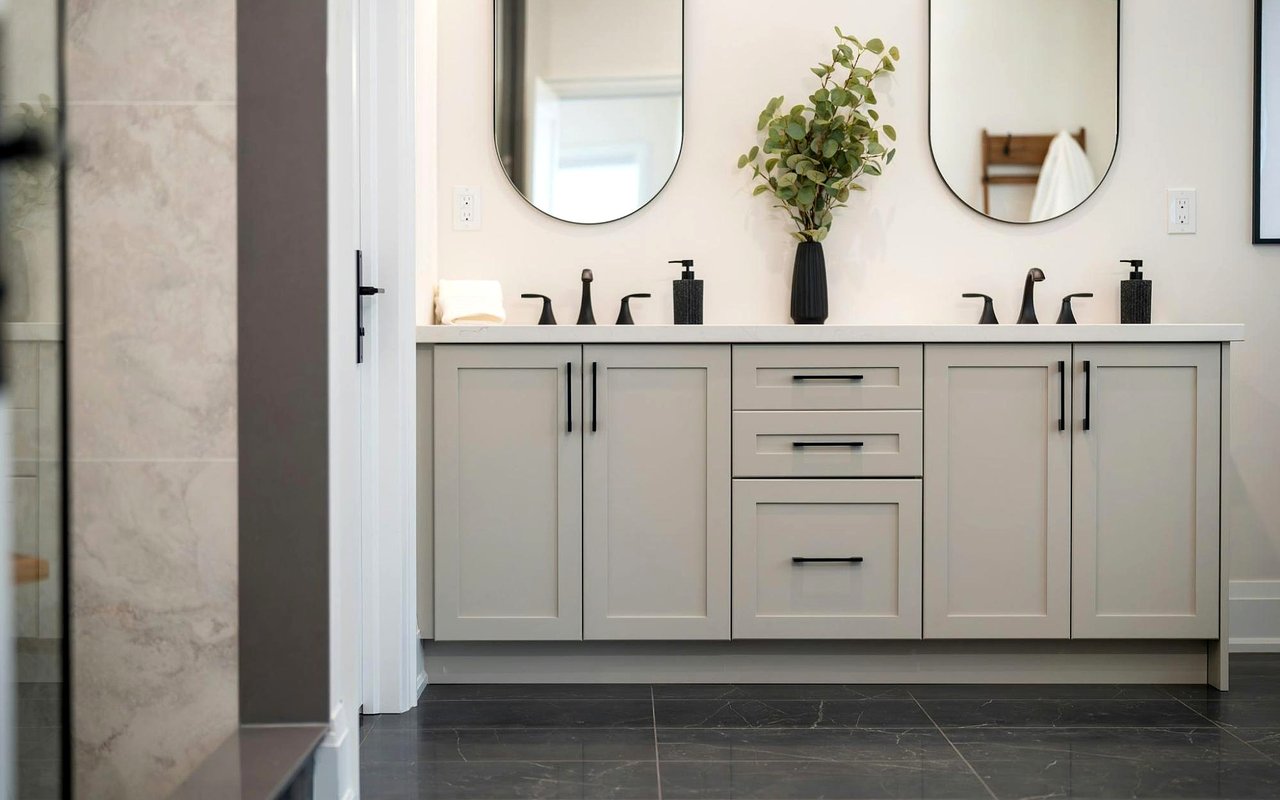
- Glossy or semi-gloss cabinet finishes in kitchens and bathrooms bounce light around compact spaces.
- Mirrored or metallic accents on furniture, hardware, and light fixtures amplify ambient daylight without adding artificial light.
- Sheer window treatments rather than heavy drapes allow diffused light to pass through while maintaining privacy.
Open Up the Floor Plan
The way a home is laid out has a direct effect on how light travels through it. Closed-off rooms with narrow doorways trap light in individual spaces. Open or semi-open floor plans allow daylight that enters through the windows on one side of the home to carry through and brighten the adjoining spaces on the other.
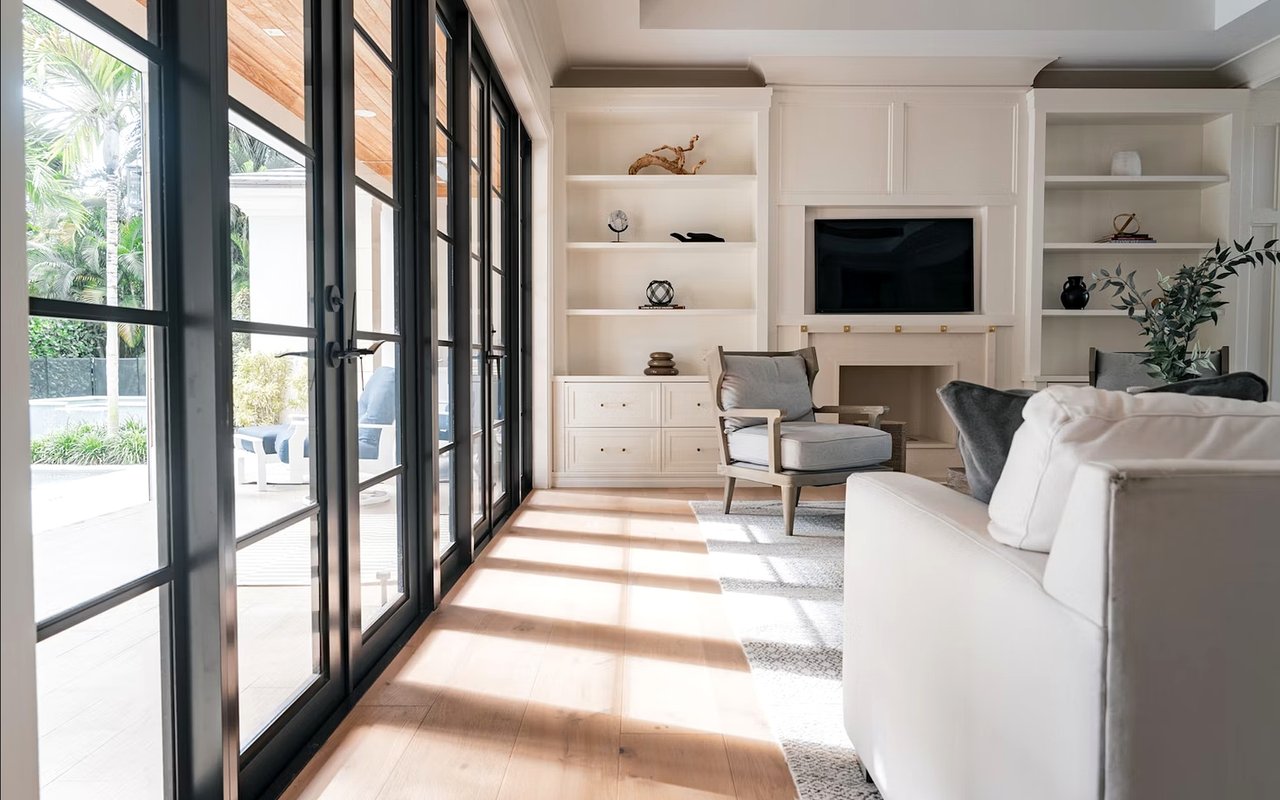
In Fort Lauderdale, indoor-outdoor living is practically a design philosophy in itself. Many homeowners prioritize layouts that connect the main living areas directly to the great outdoors through large sliding or folding glass doors. These openings do more than create a visual connection; they allow natural light from the pool deck, patio, or garden to spill into the interior and stay there longer throughout the day. If your current layout has a kitchen, living room, or dining room that feels closed in, removing or opening up partition walls is often one of the highest-return investments you can make for both light and livability.
Even small changes in flow matter. Replacing solid interior doors with glass-paneled ones, widening the doorway openings, or swapping a solid entry door for one with glass sidelights can improve how light moves from room to room without a full renovation.
Floor Plan Adjustments That Improve Light Flow
- Removing non-structural interior walls between the kitchen and living areas allows daylight to reach deeper into the home.
- Installing large sliding or folding glass doors that open the main living space to an outdoor area dramatically increases daylight exposure.
- Using low-profile furniture that doesn't block windows or obstruct light paths between spaces.
- Choosing glass-paneled interior doors in hallways or between rooms to allow light to pass through without fully opening the space.
- Eliminating bulky window treatments or replacing them with lighter options that don't obscure glass during the day.
Manage Heat Gain Without Sacrificing Light
One of the most common challenges in Florida homes is the tension between wanting abundant natural light and managing the heat that comes with it. Fort Lauderdale's subtropical climate means the sun is strong year-round, and west-facing glass in particular can create uncomfortable heat gain in the afternoons.
The good news is that modern glazing technology makes it entirely possible to have both. Low-E (low-emissivity) glass coatings allow visible light to pass through while blocking a significant portion of the infrared heat. This means your interiors stay bright without turning into a greenhouse. Impact-rated windows now come in a range of low-E options that perform well for both light quality and thermal comfort.
Exterior shading strategies are equally important. Deep roof overhangs, covered lanais, and pergolas with climbing plants can shade west and south-facing glass during peak heat hours while still allowing diffused light to enter. Strategic landscaping with palms, sea grapes, or other Florida-native trees can filter intense afternoon sun without blocking the softer, more desirable morning or midday light.
Smart Solutions for Heat and Light Balance
- Specifying low-E impact glass windows, which block heat transfer while maintaining high visible light transmission.
- Installing deep roof overhangs or awnings on west-facing elevations to shade glass during the hottest afternoon hours.
- Using exterior roller shades or motorized shade screens that deploy during peak sun hours without permanently blocking light.
- Positioning mature trees or tall hedges to the west of the home to provide afternoon shade while keeping eastern and southern exposures open.
- Choosing lighter-colored roof materials and exterior finishes to reduce radiant heat that affects interior temperatures.
FAQs
What Is the Best Window Orientation for Natural Light in Fort Lauderdale?
In Fort Lauderdale, east and southeast-facing windows are often ideal. They capture soft, cool morning light and avoid the intense heat of the afternoon western sun. South-facing windows also perform well year-round given the high sun angles in South Florida. If you're planning a renovation or new build, orienting the main living spaces toward the east or southeast tends to produce the most comfortable and well-lit results.
How Can I Add Natural Light to an Interior Room With No Exterior Walls?
Rooms without exterior walls, such as interior bathrooms, hallways, or closets, can benefit from solar tubes or tubular daylighting devices (TDDs), which are highly reflective tubes that channel sunlight from the roof down into interior spaces. Skylights work well in single-story or top-floor rooms. Glass-paneled doors and walls that borrow light from adjacent windowed spaces are also effective.
Does Natural Light Really Affect Home Value?
Yes, meaningfully. Homes with abundant natural light consistently show better in real estate photography, feel more spacious during showings, and generate more buyer interest. In Fort Lauderdale's market, where outdoor living and open, airy interiors are a priority for most buyers, natural light is a top selling point that can influence both time on market and final sale price.
What Paint Colors Maximize Natural Light?
Off-whites, warm whites, and pale neutrals reflect the most light while keeping a room feeling grounded and livable. True white can feel stark in certain lighting conditions, so many designers opt for whites with slight warm undertones. In Fort Lauderdale homes, soft warm whites and pale sandy neutrals work particularly well alongside the region's natural colors and materials.
Let the Light In
Designing a home that maximizes natural light is one of the most rewarding investments you can make, whether you're building from scratch, renovating, or simply rethinking how your current space is finished and furnished.
Our team at Laurie’s Lauderdale Group knows Fort Lauderdale's real estate scene, its building stock, and the particular ways light moves through homes in this market. When you're ready to buy, sell, or make the most of where you already live, connect with us and we'll help you find exactly what you're looking for.
Our team at Laurie’s Lauderdale Group knows Fort Lauderdale's real estate scene, its building stock, and the particular ways light moves through homes in this market. When you're ready to buy, sell, or make the most of where you already live, connect with us and we'll help you find exactly what you're looking for.